The Charm (& Quirks) of Key West’s Historic Homes
- Top Activities
- Design
- Florida Keys
- Sunset Key Cottages
- The Laureate Key West
- The Capitana Key West
- Opal Key Resort & Marina
From eyebrow-shaped rooflines to cottages built by shipwrights and cigar makers, Key West’s historic homes have stories to tell. And thanks to Key West Home Tours, a beloved winter tradition, you can actually step inside to hear them.
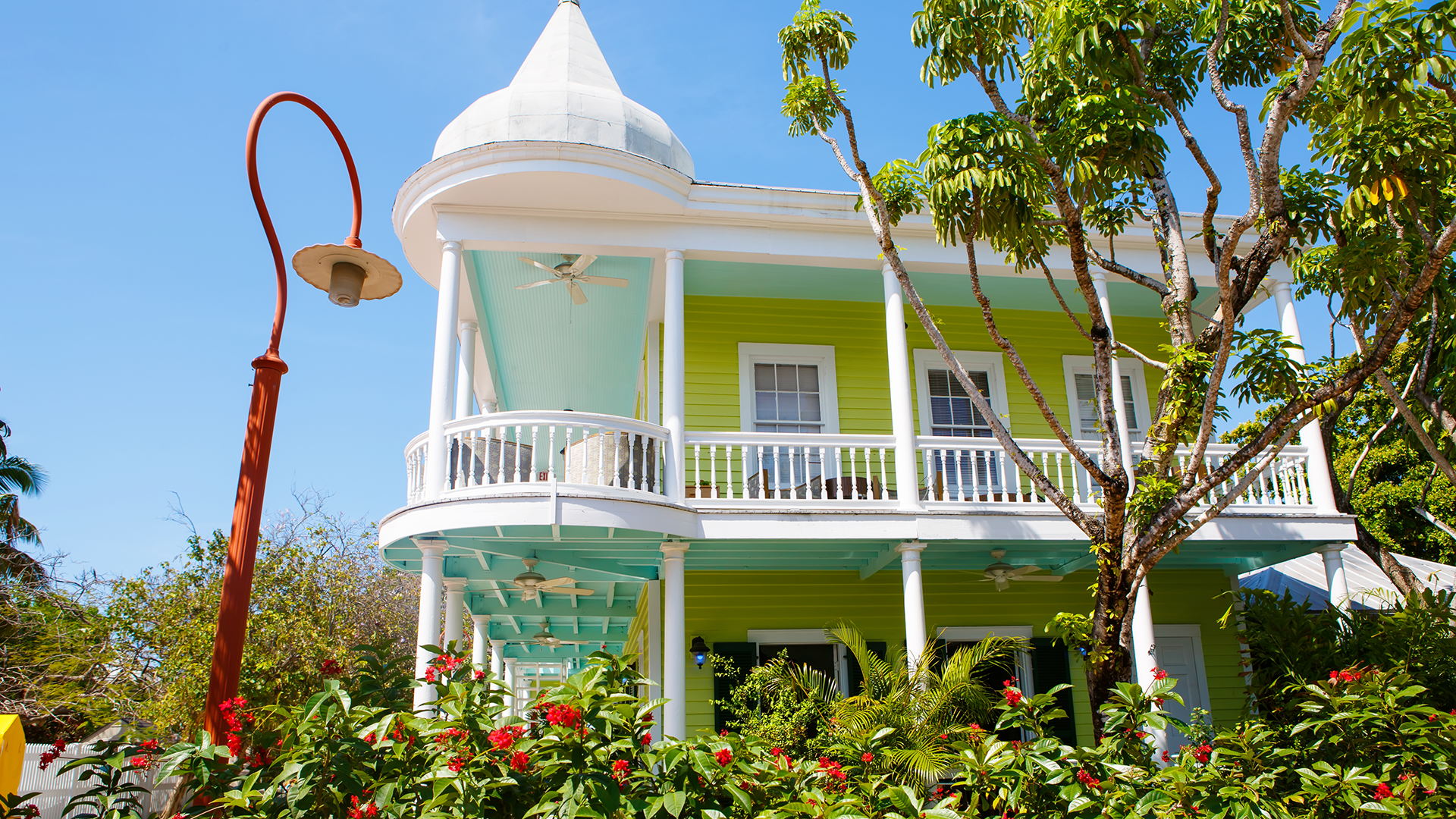
There’s something wonderfully peculiar about the houses of Key West. Pastel-painted cottages sport overgrown tropical gardens and elaborate wooden trim. Second-story windows peek out from beneath roofs that look suspiciously like eyebrows. And behind white picket fences, century-old homes conceal architectural curiosities, colorful histories, and more than a few surprises.
But these aren’t simply pretty facades. Much of what makes Key West’s historic homes so distinctive can be traced to the island’s seafaring roots, its melting pot of Caribbean and American influences, and some rather ingenious solutions to living in a hot, hurricane-prone climate.
The best part? You don’t have to settle for admiring them from the sidewalk. Each winter, the annual Key West Home Tours invite curious visitors beyond the garden gates and through the front doors of privately owned historic residences, offering a rare look at the stories, craftsmanship, and characters that have shaped the island’s architectural identity.
THE ISLAND’S ARCHITECTURE IS A MELTING POT OF CULTURES
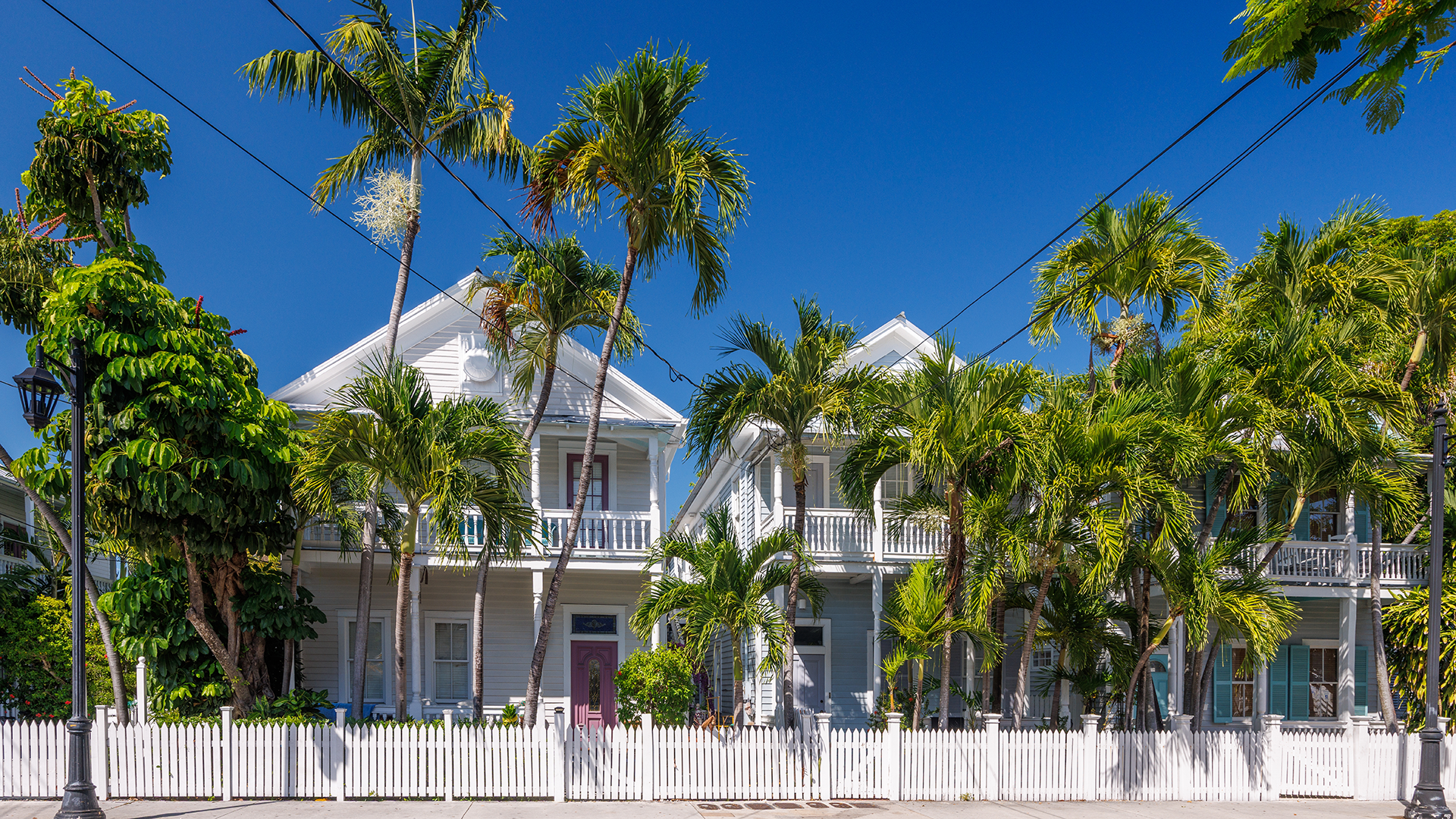
To understand why Key West’s homes look the way they do, it helps to consider who built them. During the nineteenth century, the island attracted an eclectic population of Bahamian shipwreck salvagers, New England sea captains, Cuban cigar makers, and skilled carpenters, each bringing their own building traditions to the southernmost reaches of the United States.
The result was a distinctive architectural mash-up. New England’s orderly, wood-framed houses took on Caribbean-inspired verandas and shutters. Bahamian building traditions influenced designs suited to tropical heat. And prosperous merchants and sea captains eventually introduced more elaborate Victorian styles, complete with ornamental railings, turrets, and intricate wooden trim.
Today, much of this architectural legacy is concentrated in Old Town Key West, where nearly 3,000 historic structures make up one of the country’s most remarkable collections of predominantly wooden buildings.
Among the most recognizable are the island’s Conch houses, a term commonly associated with the wooden residences built by early settlers. Many feature broad porches, shuttered windows, and raised foundations. Their designs weren’t just borrowed from elsewhere; they were adapted to the realities of island life.
And some of those adaptations are downright clever.
THOSE QUIRKY ARCHITECTURAL DETAILS ACTUALLY SERVED A PURPOSE
The Houses with Eyebrows
Yes, Key West has houses with eyebrows. And no, that’s not just an architectural nickname invented for tourists. An eyebrow house gets its name from the distinctive roof overhang that extends down over the second-story windows, partially concealing them like a pair of heavy brows.
The feature served an important purpose long before air-conditioning: blocking direct sunlight from upstairs rooms while allowing windows to remain open for ventilation. Combined with raised foundations and carefully positioned windows, the design helped move cooler air through the house and release warmer air above. For an example, look to the circa-1874 eyebrow house at 906 Southard Street, one of the buildings documented by the Key West Historic Markers Project.
The Tin Roofs That Rose from the Ashes
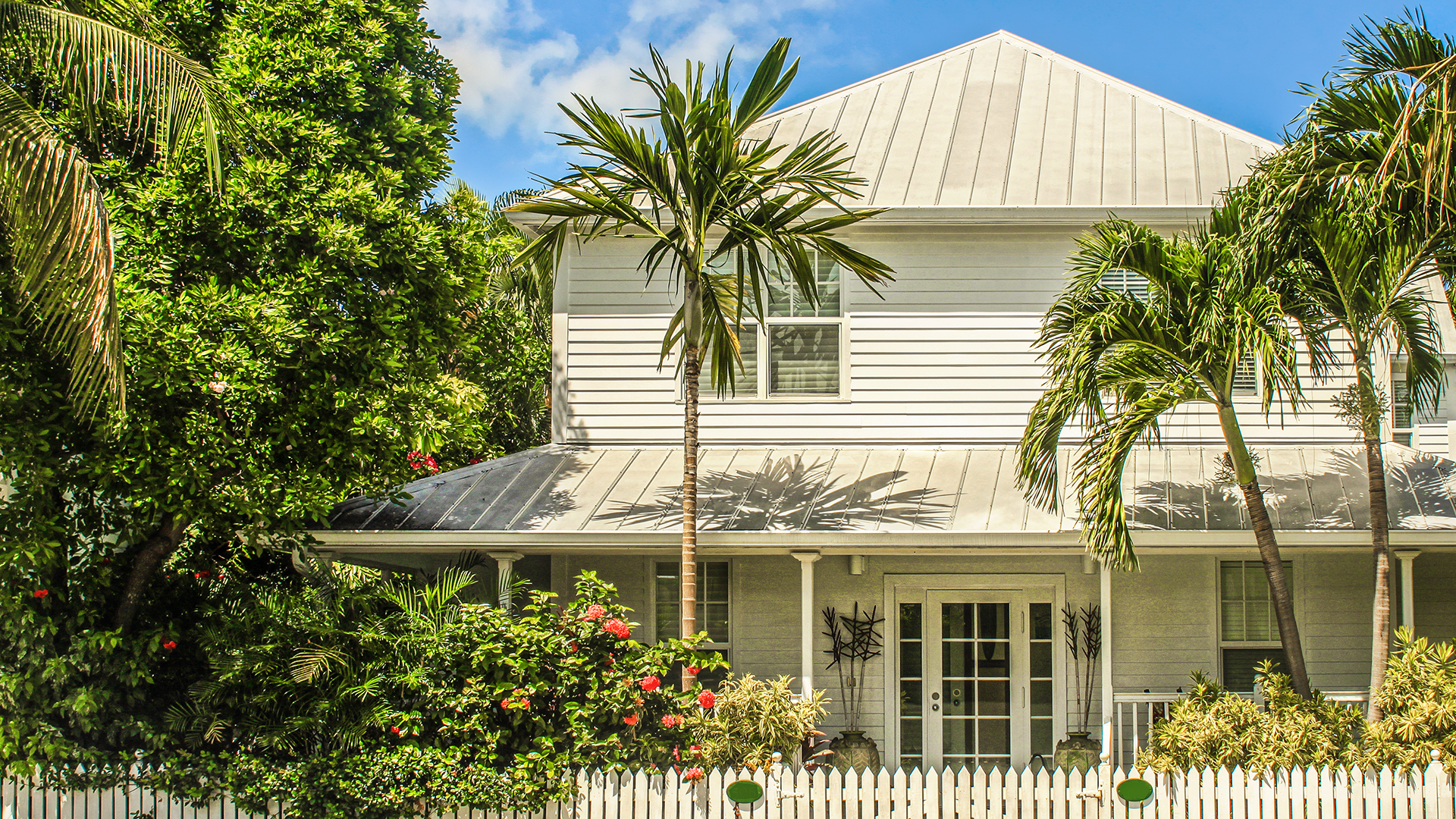
Those corrugated metal roofs topping so many Key West cottages? They’re more than an architectural signature. After the Great Fire of 1886 swept through the island, destroying hundreds of wooden buildings, local officials began requiring fire-resistant metal roofing on new construction. And the switch came with some practical perks: Metal roofs could reflect the tropical sun, withstand heavy rainfall, and channel precious rainwater into cisterns at a time when fresh water was scarce. As for the name? Despite being called tin roofs, many were actually made from galvanized iron or steel.
The Porches Doubled as Cooling Systems
Those sweeping front porches may look tailor-made for rocking chairs and afternoon cocktails, but their original purpose was far more practical. Deep, covered verandas shielded interiors from the sun while providing shaded outdoor living space where residents could catch a breeze. Louvered shutters performed a similar trick, allowing air to circulate while keeping the harshest sunlight at bay. Even the foundations were part of the cooling strategy. Many historic homes were elevated on piers, allowing air to circulate beneath the floorboards while offering some protection against moisture and flooding.
Consider it the nineteenth-century answer to climate control.
The Rooftop Hatches Borrowed from Boats
Given Key West’s maritime heritage, perhaps it’s fitting that some of its homes borrowed a few tricks from shipbuilding. Look closely at certain historic rooftops and you might spot a scuttle: a small, hinged opening that allowed hot air to escape from the attic. Similar in concept to ventilation hatches aboard ships, these modest features helped keep interiors more comfortable in the tropical heat.
Other clever additions included rainwater cisterns, which collected and stored water during dry spells, and detached kitchens that kept the heat of cooking away from the main house. In other words, what might appear to be an architectural oddity today was often a practical necessity two centuries ago.
SOME COTTAGES HAVE ROOTS IN KEY WEST’S CIGAR-MAKING BOOM
Not every historic Key West residence began life as a sea captain’s grand Victorian mansion.
Some of the island’s most modest cottages tell the story of an entirely different industry: cigars.
During the late nineteenth century, Key West became a major center of cigar production, fueled in part by Cuban immigrants who brought their craftsmanship and industry to the island. By 1883, the local cigar workforce had grown so large that thousands of workers needed housing.
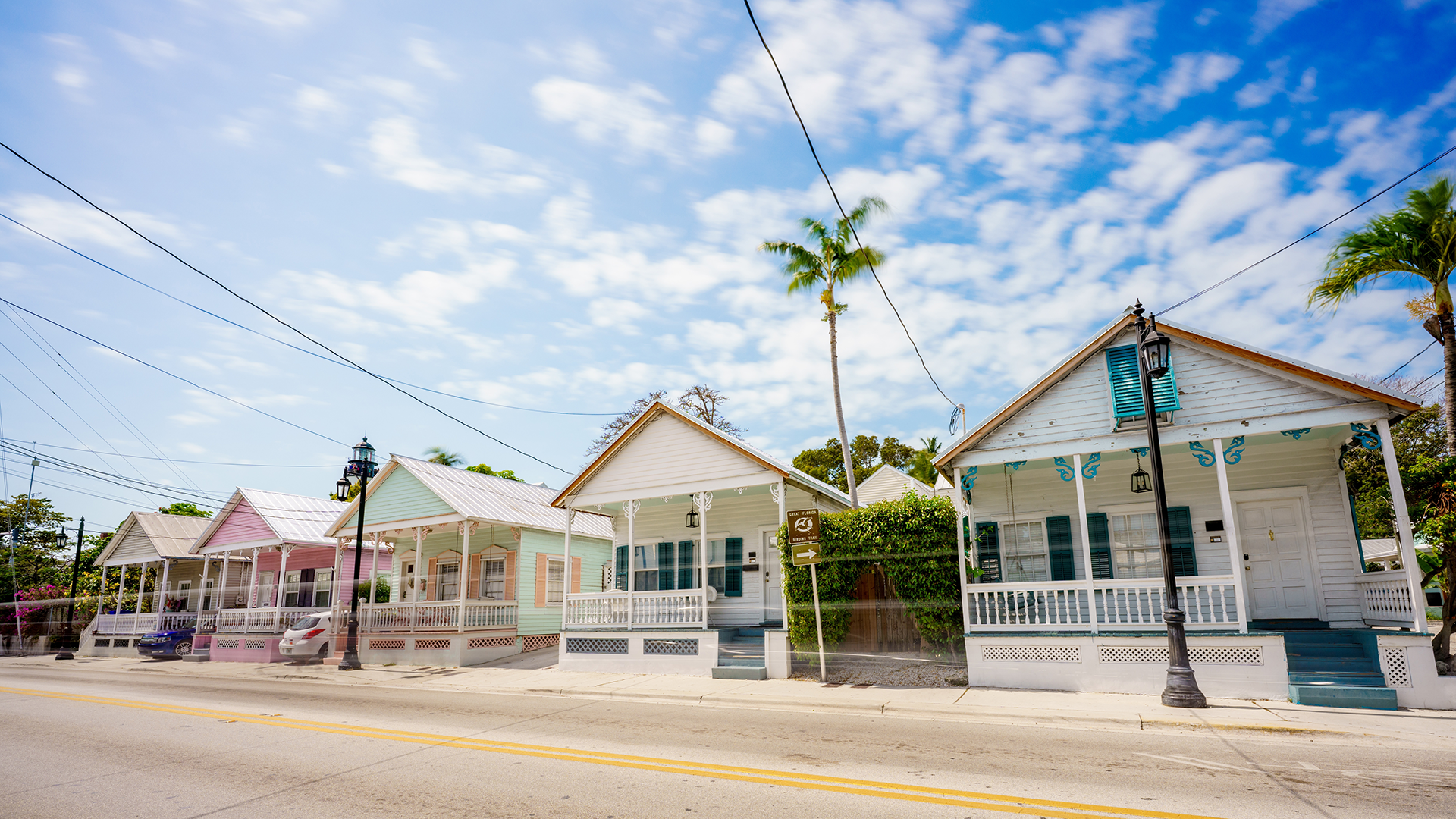
Enter the cigar maker’s cottage. These small, typically single-story wooden houses were designed to be built quickly and efficiently. Many featured a narrow side hallway connecting three rooms arranged one behind another, with a simple front porch and shuttered windows. The layout is sometimes associated with the shotgun house, so named for the notion that a bullet fired through the front door could travel straight through the rooms and out the back.
While far less elaborate than the residences of wealthy merchants and sea captains, these cottages are every bit as important to Key West’s architectural story. They represent the workers, families, and immigrant communities whose labor helped transform the island into a thriving nineteenth-century city.
THE DECORATIVE DETAILS CAN REVEAL A HOMEOWNER’S PERSONALITY
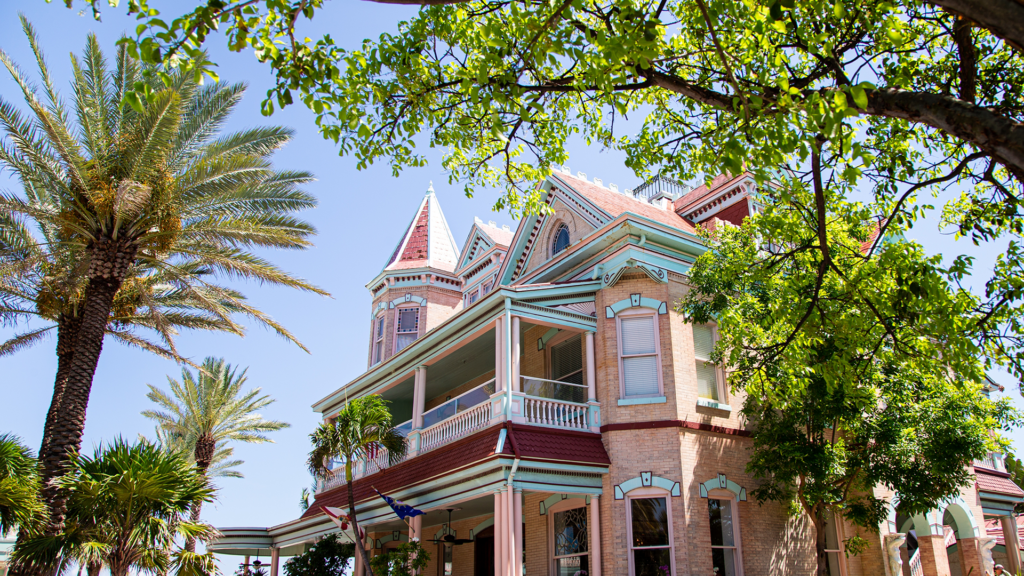
If the island’s eyebrow houses represent practicality, its Victorian homes demonstrate what happened when residents had a little more money, and imagination, to spare.
By the late 1800s, Key West’s maritime and cigar industries had generated considerable wealth. Prosperous homeowners began building grander residences influenced by the Queen Anne style, complete with asymmetrical facades, elaborate porches, towers, and decorative woodwork.
One particularly charming feature was gingerbread: intricate, often scroll-sawn wooden ornamentation adorning porch brackets, railings, and other architectural details. And sometimes, that decoration was surprisingly personal.
According to the Florida Keys tourism council, one Key West bar and gambling hall owner incorporated cutout whiskey bottles and playing-card motifs into his home’s banisters.
A little architectural flair? Certainly. But also a reminder that Key West’s reputation for colorful characters didn’t begin with its modern-day bar scene.
THE ANNUAL KEY WEST HOME TOURS LET YOU SEE BEYOND THE FRONT PORCH
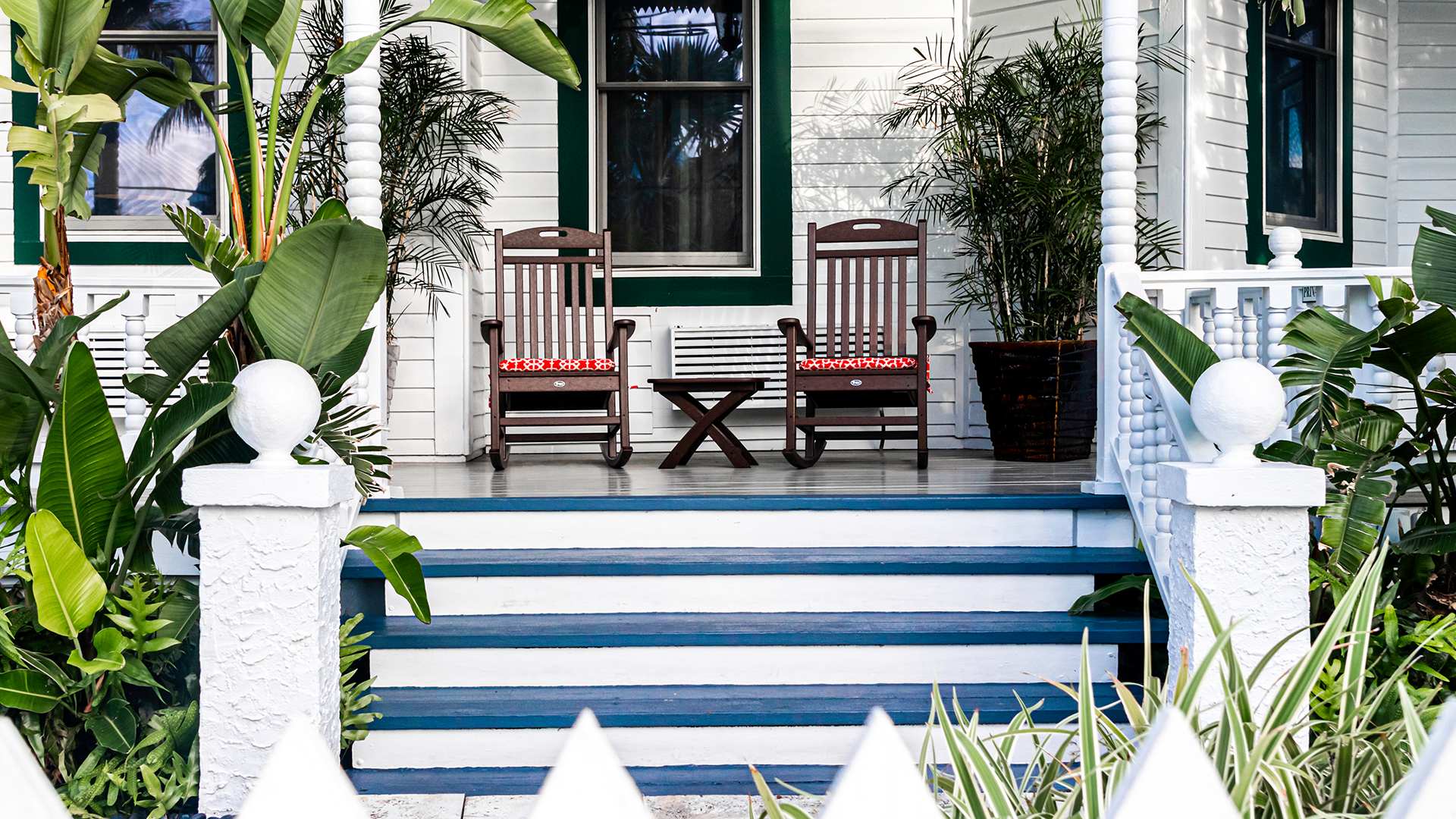
Of course, there’s only so much you can learn about a house from the sidewalk. What’s behind that brightly painted front door? How has a century-old cottage been adapted for modern living? And what stories are hiding among the original floorboards, furnishings, and family heirlooms?
That’s where one of Key West’s longest-running winter traditions comes in. For more than six decades, the nonprofit Old Island Restoration Foundation (OIRF) has organized its annual Key West Home Tours, inviting visitors into privately owned residences that are ordinarily off-limits to the public.
Now in its 67th year, the event takes place over four months, from December through March, with a different selection of private homes featured each month. Some showcase meticulous historic restorations; others reveal how homeowners have reimagined older spaces while preserving their architectural character.
Docents share details about the homes’ histories, craftsmanship, and distinctive features, giving visitors a deeper appreciation of the buildings beyond their picturesque exteriors. Tours take run from 1–4 p.m. each day.
Key West Home Tours Upcoming Dates
- DECEMBER 29–30, 2026
- JANUARY 22–23, 2027
- FEBRUARY 12–13, 2027
- MARCH 12–13, 2027
Key West Home Tours: What to Know Before You Go
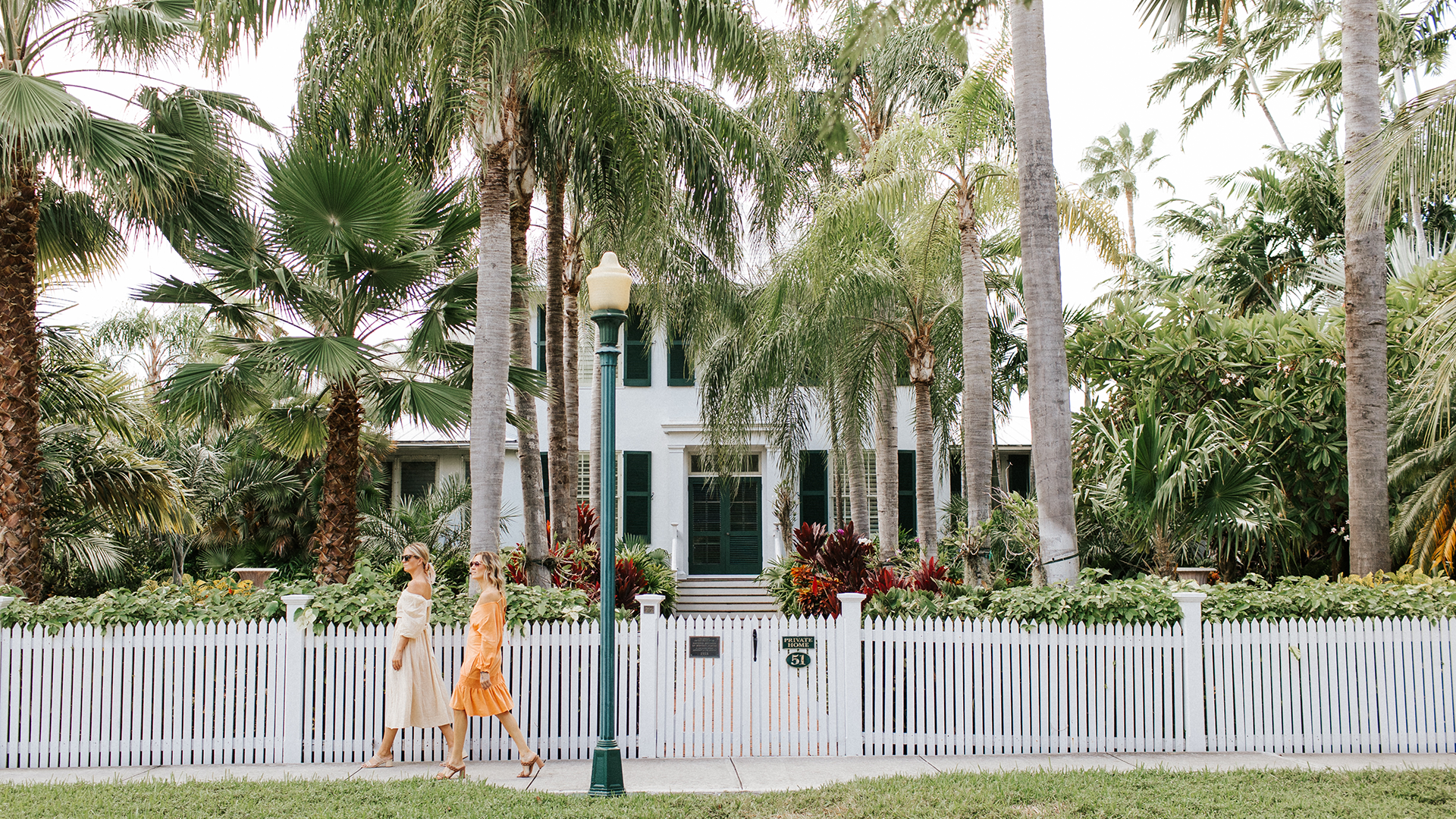
Each month’s ticket grants access to four different private homes. You can visit the properties in any order, spreading your exploration across both tour days or seeing them all in one afternoon. Tickets are currently $55 for nonmembers and $45 for OIRF members. The addresses of participating private homes are released approximately one week before each tour to protect homeowners’ privacy.
Because the homes are spread throughout Key West, walking or bicycling between stops can be part of the experience. Just remember that these are private residences: Photography is restricted unless expressly permitted, and accessibility varies by property.
And there’s a bonus: Every ticket also includes admission to the Oldest House Museum at 322 Duval Street, a historic residence dating to 1829.
A Nearly 200-Year-Old House with a Shipbuilding Secret
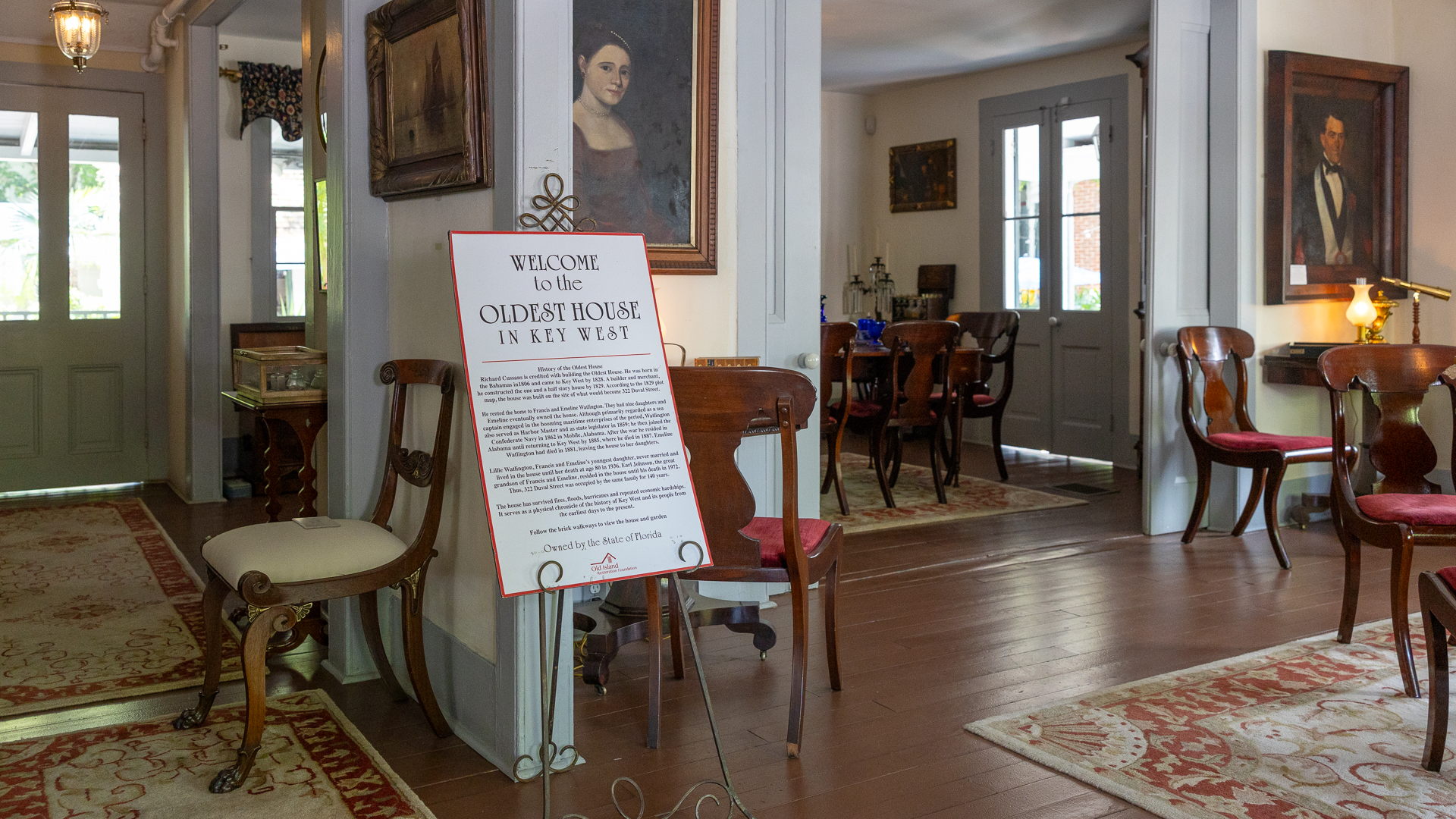
The Oldest House is worth a closer look in its own right. Built around 1829 by Richard Cussans, a Bahamian carpenter believed to have trained in shipbuilding, the home incorporates maritime construction techniques. Its timber frame uses mortise-and-tenon joints secured with wooden pegs rather than nails, creating a sturdy yet flexible structure. That craftsmanship helped the house survive the devastating hurricane of 1846, when most of Key West’s buildings were damaged or destroyed.
Behind the house, visitors can also explore the Tom Majors Garden and an original detached cookhouse dating to approximately 1838. Its wooden frame is believed to incorporate salvaged ship timbers, another reminder of how closely Key West’s domestic and maritime histories are intertwined.
MAKE A KEY WEST WINTER ESCAPE OF IT
With four opportunities to attend between December and March, the Key West Home Tours offer another reason to trade winter’s chill for the island’s warmer weather and wander a little farther beyond Duval Street.
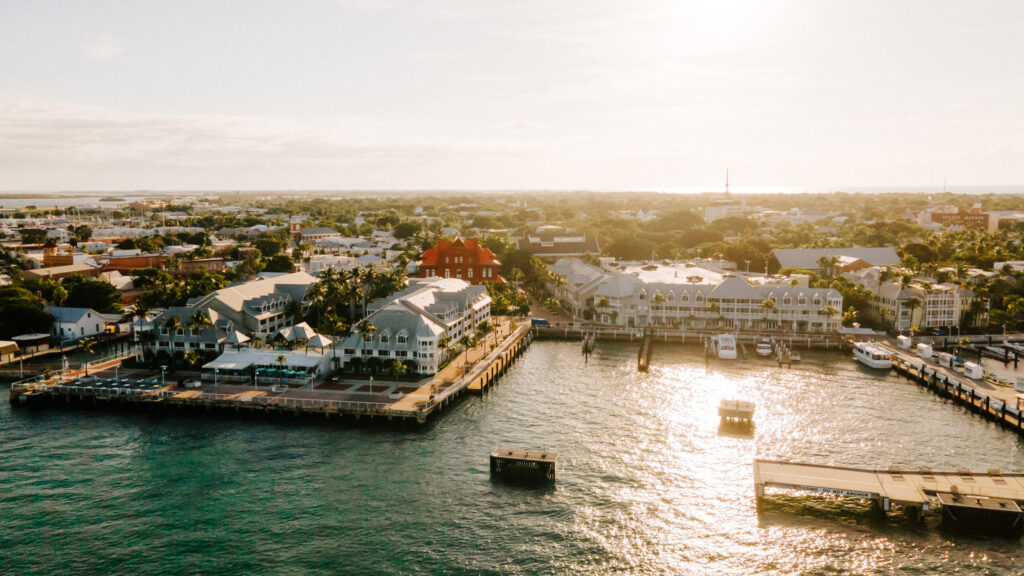
For accommodations, Opal Collection offers four distinctly different home bases. Opal Key Resort puts guests on the waterfront of historic Old Town, steps from Mallory Square and Duval Street. Just offshore, Sunset Key Cottages offers a private-island retreat, while The Capitana and The Laureate provide additional waterfront and all-suite options.
And after a few hours spent admiring Key West’s ingenious architecture, you may find yourself looking at those colorful cottages a little differently. After all, on an island known for its colorful characters, even the houses should have personalities to match.